


History of the Press Brake and Applications
Traditionally, flattening and shaping metal has been done with hammers. Large hammers began to emerge and adapt based upon the amount, and size of metal needing to be shaped. Smiths would work metal in a forge and create pieces that were needed. These include horse shoes, tools and even armor. Smiths would hire apprentices to wield sledge hammers, while the smiths positioned the metal for working. By advancing technology through the use of windmill and steam power, steam hammers became more common and further the way for drop hammers. Drop hammers use an electric motor to draw hammer back and allows gravity to do the rest of the work. From these different adaptations, press brakes were invented and have changed from manual to computer operated.
Press brakes can be used manually or be computer operated. By using a manual press break, operators have to be concise of every motion they make, and make sure to be consistent on every motion. Using a computer operator removes this element and allows perfection every time. Because of the different operating styles, different types of maintenance is critical to the success of any type of press brake.
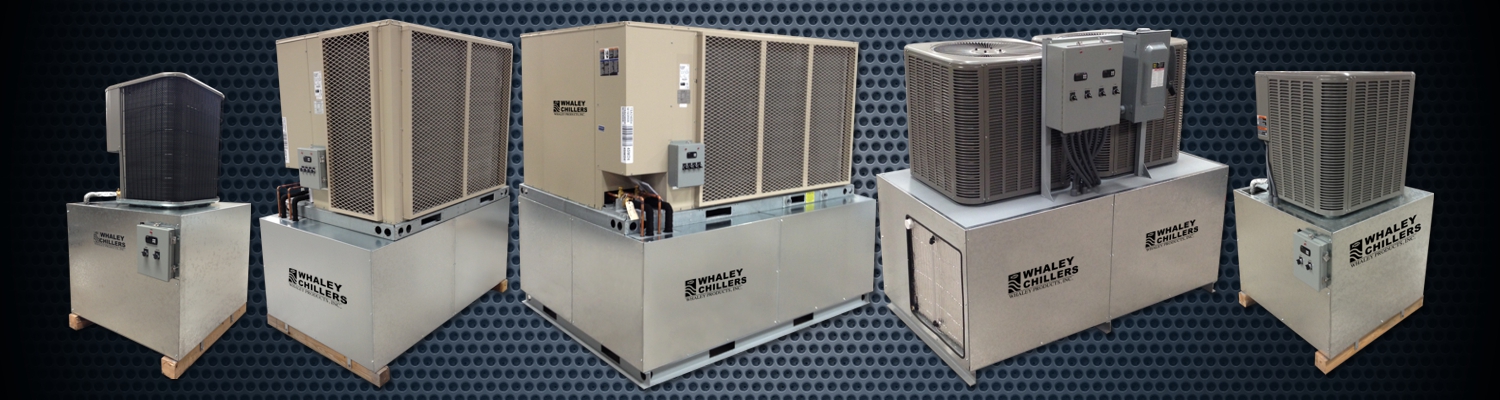
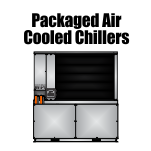
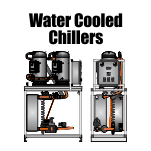
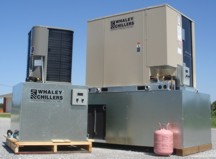 Packaged Chillers Non-expandable (integrated pump tank) 1.5Ton – 20Ton Single / Dual Circuits Single / Dual Pumps |
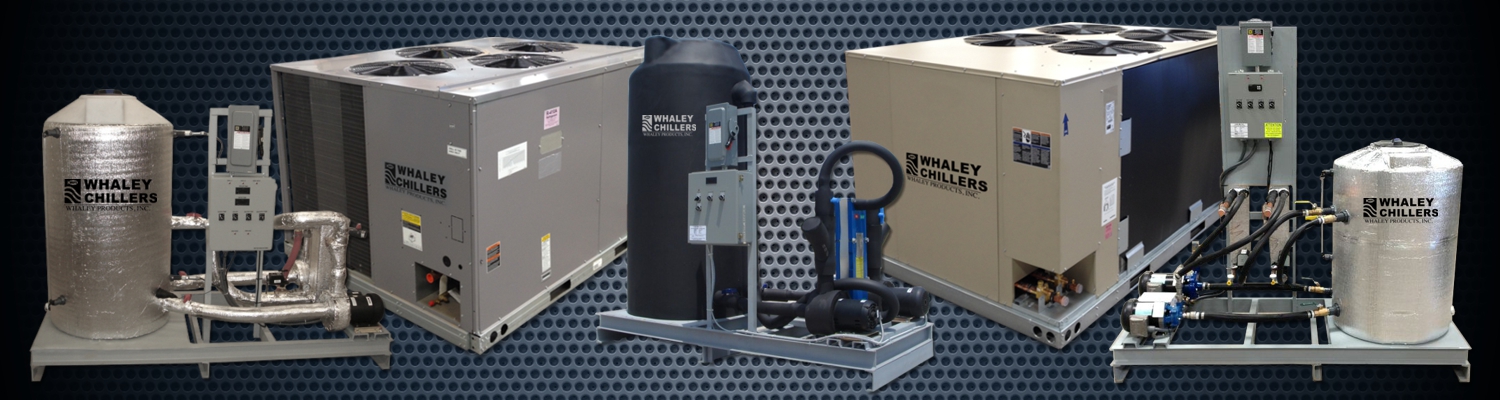
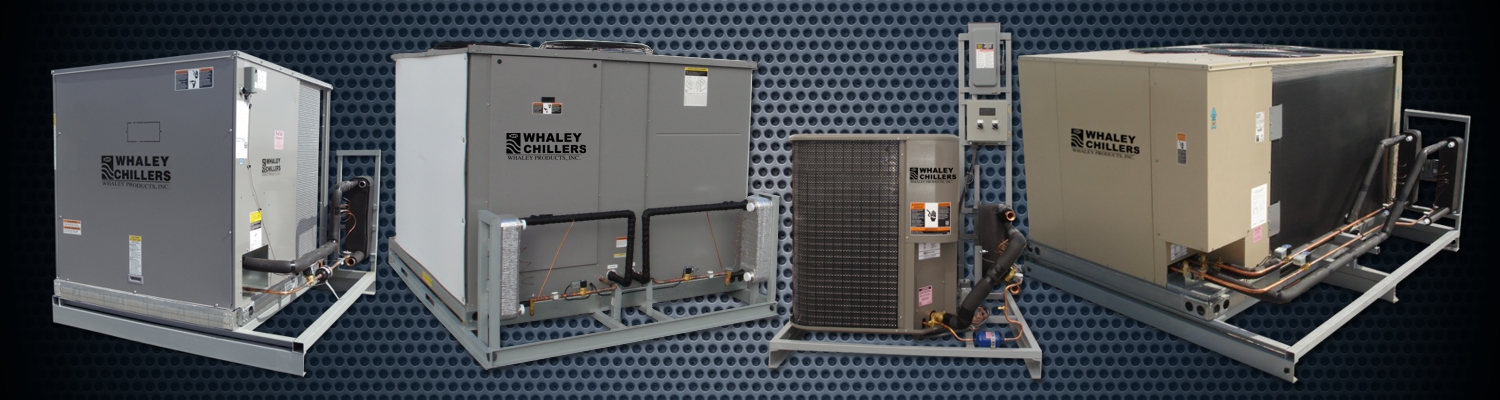
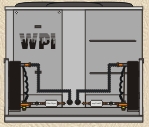 SAE Series Modular Chillers Expandable (pump & tank on separate skid) 1.5Ton – 200Ton Single / Dual Circuits |
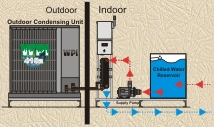 SAR Series Split Chillers Expandable (Outdoor Condensing Unit) (pump, tank, evaporator on indoor skid) 1.5Ton – 200Ton Single / Dual Circuits |